
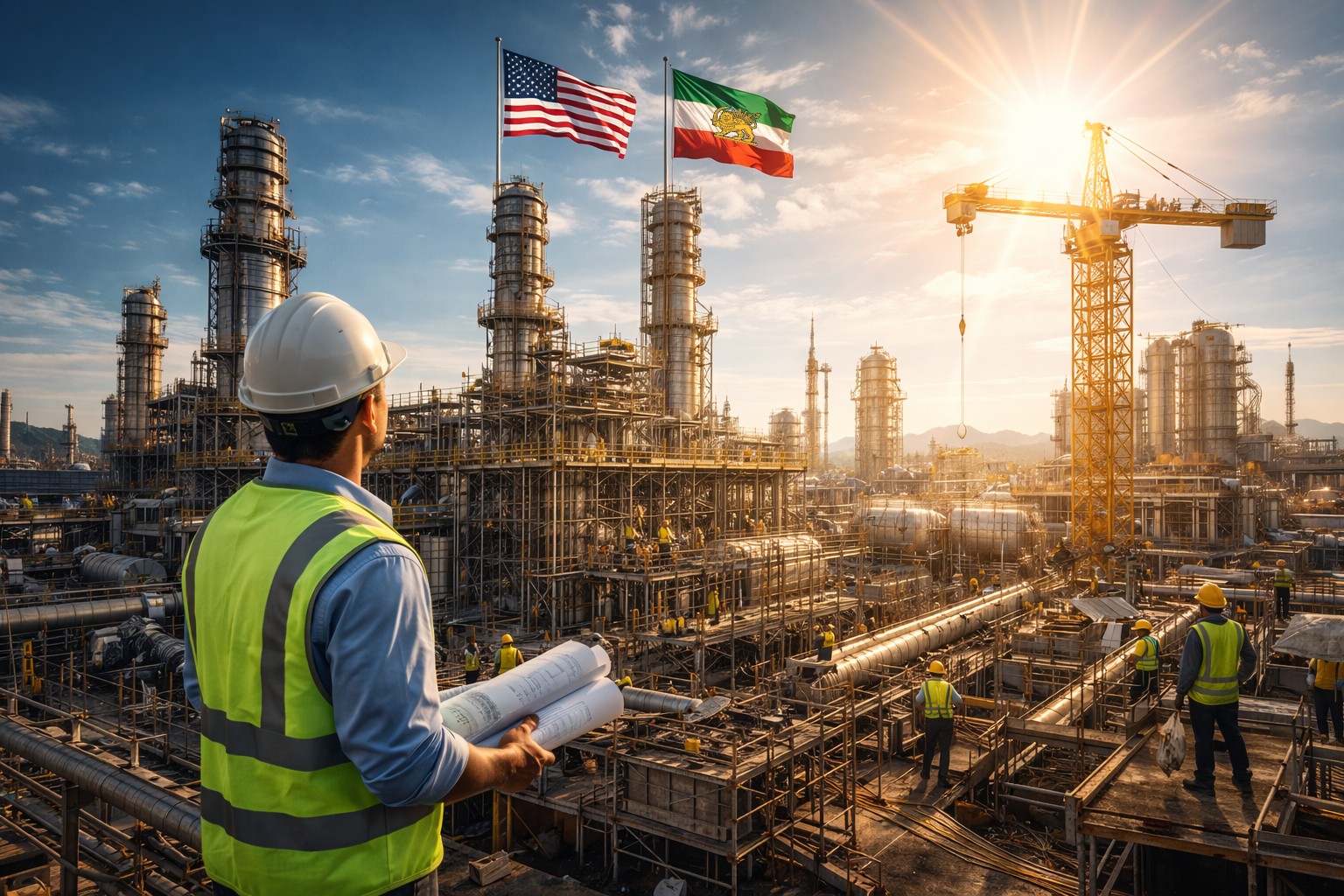
Iran’s energy sector anchors the economy and offers immediate scale. Modernizing production, refining, LNG capacity, and export infrastructure can unlock rapid revenue, stabilize public finances, and attract global capital. Energy redevelopment sets the foundation for industrial growth, trade reintegration, and long-term economic resilience

Moving beyond raw exports is essential. Expanding petrochemical capacity allows Iran to capture higher margins, diversify exports, and supply regional manufacturing. Investment in modern plants, logistics, and compliance standards would position petrochemicals as a cornerstone of sustainable, value-added growth.

Iran holds significant reserves of copper, iron ore, zinc, lithium, and strategic minerals. Modern exploration, processing facilities, and rail integration can transform mining into a major export engine. Responsible development would support manufacturing supply chains while generating long-term foreign-exchange earnings.

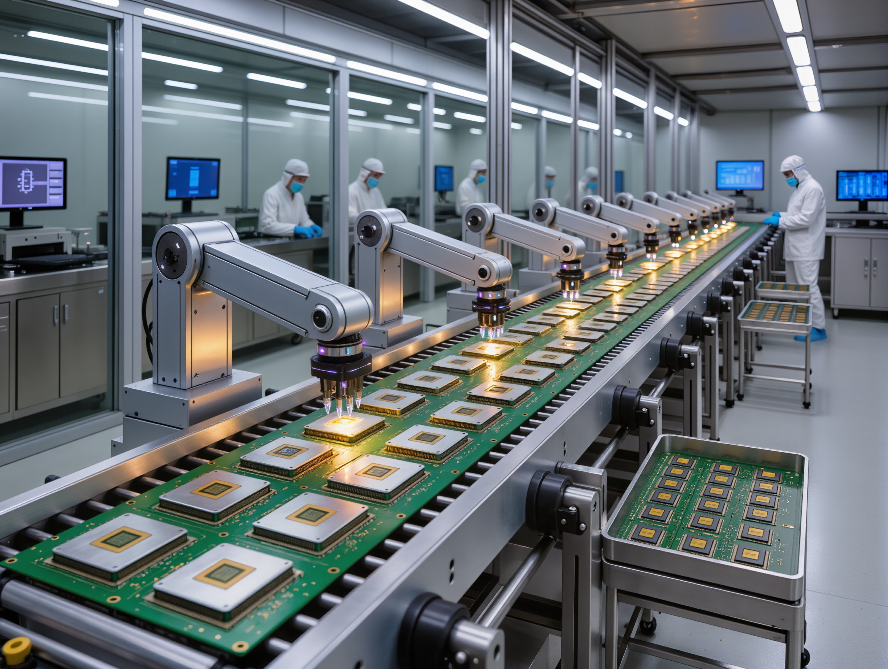
From machinery and automotive to steel and industrial equipment, Iran’s manufacturing base requires modernization. Upgraded plants, automation, and export certification can restore competitiveness. Manufacturing offers large-scale employment, strong multiplier effects, and a path toward diversified, non-oil economic growth.

Food security and exports depend on modernization. Efficient irrigation, improved seed technology, processing facilities, and cold-chain logistics can sharply raise productivity. Agribusiness reform supports rural employment, stabilizes prices, and creates export opportunities across regional and global food markets.

Iran’s geography makes it a natural transit hub linking Asia, Europe, and the Gulf. Investment in ports, railways, dry ports, and customs digitization can reposition the country as a key logistics corridor, accelerating trade flows and attracting regional distribution and manufacturing activity.

A modern economy requires modern connectivity. Expanding broadband, mobile networks, data centers, and enterprise IT infrastructure enables growth across all sectors. Digital infrastructure supports fintech, e-commerce, logistics optimization, and productivity gains essential for global competitiveness.

Iran’s cultural heritage, natural landscapes, and historic cities remain largely untapped. Reopening tourism creates immediate service-sector jobs and foreign-currency inflows. Investment in hotels, transport, and visitor infrastructure can quickly position tourism as a high-impact export industry.

Economic renewal requires functional finance. Banking reform, insurance markets, capital exchanges, and modern payment systems are critical for mobilizing domestic savings and foreign investment. A transparent financial sector enables growth, stabilizes currency, and supports private-sector expansion.

Rising demand and an aging population make healthcare a priority. Modern hospitals, diagnostics, medical devices, and pharmaceutical manufacturing improve quality of life while creating export potential. Healthcare investment strengthens human capital — the foundation of long-term economic productivity.

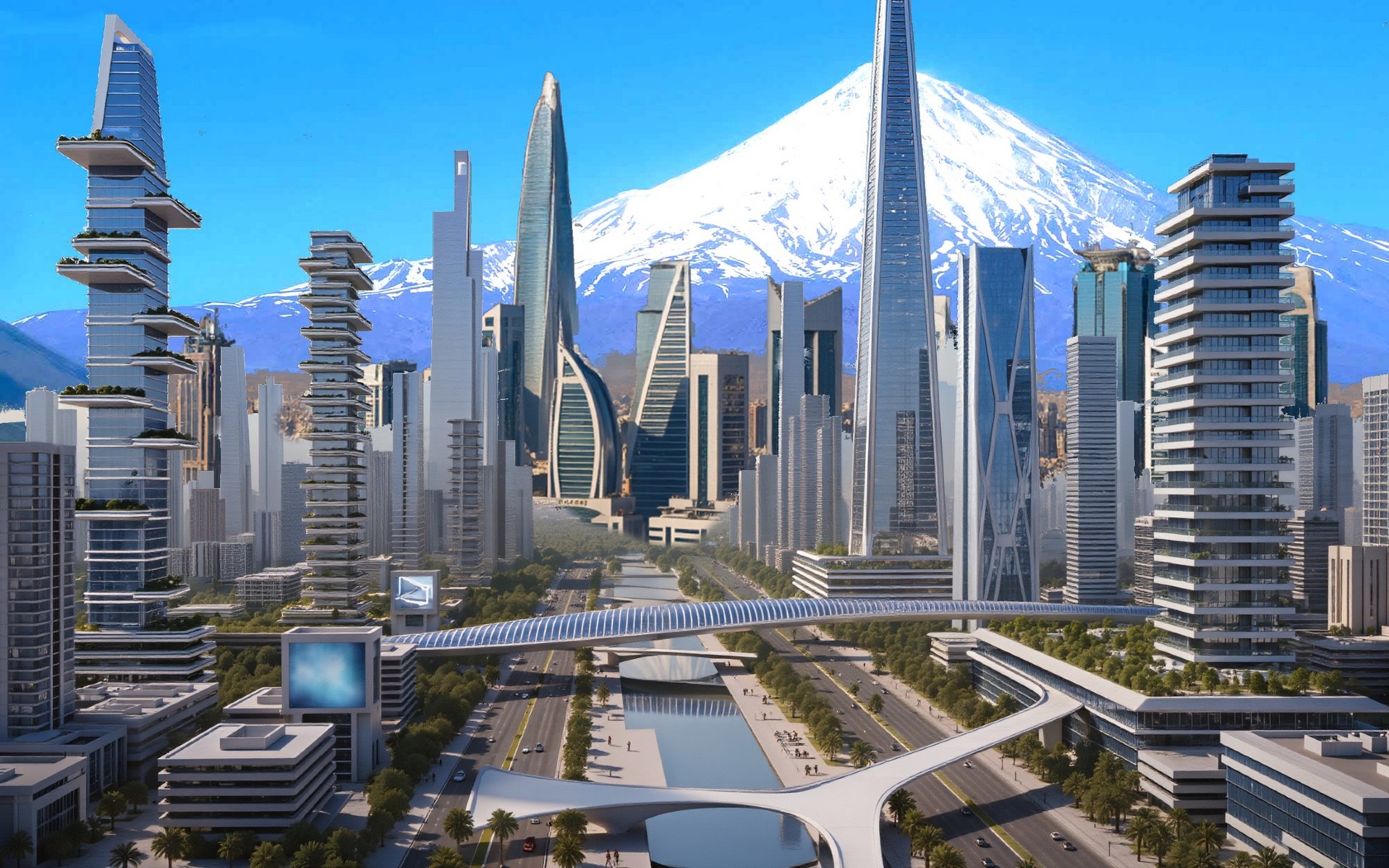
Housing shortages and aging infrastructure create immediate demand. Construction absorbs labor quickly while modernizing cities through housing, commercial projects, and public works. Urban development supports social stability, stimulates supply chains, and lays the groundwork for sustained economic expansion.

Iran’s young population is its greatest asset. Aligning education and vocational training with modern industry needs boosts productivity and employability. Workforce development ensures that investment translates into skilled labor, higher wages, and durable economic growth.

Solar, wind, water management, and grid modernization reduce domestic energy strain and attract ESG-focused capital. Renewables free hydrocarbons for export while strengthening resilience. Utility modernization is essential for reliable industrial output and sustainable long-term development.

A large domestic market drives near-term growth. Reintegrating global brands, modern distribution, and efficient supply chains meets pent-up consumer demand. Consumer industries generate fast employment, tax revenue, and confidence during early stages of economic reopening.

Legal, engineering, consulting, research, and technical services underpin complex economies. As markets reopen, demand for expertise surges. Knowledge services support compliance, project execution, and innovation — quietly enabling every other sector’s success.

An optimum blueprint for a fast-growth, investment-friendly Iran that is structurally aligned with the United States—not just diplomatically, but in the mechanics that investors, banks, insurers, and supply chains require.
A golden workforce is waiting to be unleashed—backed by a world-class oil and gas base and massive copper resources—ready to power Iran’s leap into the global economy.